


Real-Time Supply Chain Visibility: The Ultimate Guide for 2025

In today's economy, the cost of uncertainty is higher than ever. A single unforeseen delay, like a container held at customs, a vessel rerouted due to port congestion, or a missed connection at a transshipment hub, can trigger a cascade of disruptions, leading to stock-outs, production halts, and damaged customer relationships. According to recent surveys, a staggering 57% of supply chain professionals still cite a lack of visibility as their single biggest operational challenge.
This is why real-time supply chain visibility has evolved from a competitive advantage to a fundamental business necessity. It’s the ability to know exactly where your goods are, at any moment, and more importantly, to anticipate where they are going next.
This comprehensive guide explains what real-time supply chain visibility truly means in 2025, why it's crucial for resilience and growth, and how you can leverage technology to achieve it.
What is Real-Time Supply Chain Visibility?
Real-time supply chain visibility is the practice of collecting, sharing, and analyzing live data from every stage of your supply chain, from the supplier's factory to the customer's doorstep. It transforms the traditional, fragmented view of logistics into a single, cohesive, and dynamic picture of your entire network in motion.
This is far more than simple milestone tracking. True real-time visibility means:
- Live Data Streams: Information is captured and transmitted as events happen, not hours or days later.
- End-to-End Scope: It covers every touchpoint, including suppliers, manufacturing, ocean freight, port operations, and last-mile delivery.
- Predictive Insight: It leverages technology not just to see what is happening now, but to accurately forecast future events, such as a vessel's true estimated time of arrival (ETA).
Why Real-Time Visibility is Non-Negotiable in 2025
Operating without real-time visibility is like navigating a storm without a compass. The current global landscape, shaped by geopolitical shifts, climate events, and fluctuating consumer demand, makes it an unacceptable business risk.
1. Proactive Disruption Management
Instead of reacting to problems, real-time visibility allows you to anticipate them. When you can see a vessel slowing down mid-ocean or identify rising container dwell time at your destination port, you can proactively reroute cargo, manage customer expectations, and adjust inventory plans before a minor delay becomes a major crisis.
2. Enhanced Operational Efficiency
Manual follow-ups, endless emails, and checking multiple carrier websites are massive drains on productivity. Real-time data streams, often integrated via a Vessel Tracking API, automate this process. This frees up your team to focus on strategic tasks like optimizing routes and managing exceptions, rather than chasing information.
3. Superior Customer Experience
Today's customers, whether B2B or B2C, expect transparency and predictability. Providing them with accurate, live updates on their shipment's status builds trust and loyalty. This turns your supply chain from a cost center into a powerful tool for customer retention.
4. Significant Cost Reduction
Visibility directly impacts your bottom line. By accurately predicting arrivals, you can optimize warehouse staffing and inland transportation, drastically reducing or eliminating expensive demurrage and detention fees. Furthermore, improved inventory management prevents both costly overstocking and revenue-losing stock-outs.

The Technological Pillars of Modern Supply Chain Visibility
Achieving true real-time visibility relies on a synergistic tech stack that captures and interprets data from across the globe.
- APIs (Application Programming Interfaces): APIs are the digital handshakes that allow different software systems to communicate. They are essential for integrating real-time data from carriers, terminals, and AIS providers directly into your own platforms (like a TMS or ERP).
- IoT (Internet of Things): Smart sensors attached to containers or cargo can transmit live data on not just location, but also condition, such as temperature, humidity, and shock, which is critical for sensitive goods.
- AIS (Automatic Identification System) Data: This global vessel tracking system provides the foundational data for ocean freight visibility. By combining terrestrial and satellite AIS feeds, you can achieve an uninterrupted view of vessel movements across the entire planet.
- AI and Machine Learning: This is the "brain" of a modern visibility platform. AI algorithms analyze vast datasets, including real-time vessel movements, historical port performance, and weather patterns, to generate highly accurate predictive ETAs and identify potential risks. For a deeper dive, explore the different types of ocean freight visibility data.
How to Implement Real-Time Supply Chain Visibility
Adopting real-time visibility is a strategic journey. Here are the key steps to get started:
- Map Your Supply Chain: Identify all key nodes and partners in your network. Understand your current visibility gaps and where information gets lost or delayed.
- Define Your Data Needs: Determine what information is most critical for your operations. Is it vessel ETA, container status at the terminal, or customs clearance updates?
- Invest in a Centralized Platform: A unified visibility platform is essential. It acts as your control tower, aggregating data from all sources into a single, actionable view. This eliminates data silos and creates one source of truth for your entire organization.
- Prioritize High-Quality Data: The quality of your decisions depends on the quality of your data. Partner with a visibility provider that uses multiple sources (carrier data, AIS, terminal data) and advanced algorithms to cleanse, verify, and enrich information for maximum accuracy.
- Integrate and Automate: Use APIs to feed this high-quality data directly into the systems your team uses every day. This integration is the key to unlocking true efficiency gains and enabling automated workflows.
Data from government bodies like the U.S. Bureau of Transportation Statistics provides valuable macroeconomic context, but for actionable, shipment-level decisions, a dedicated real-time visibility platform is essential.
Conclusion: The Future is Visible
In the dynamic and unpredictable world of 2025, real-time supply chain visibility is the cornerstone of resilience, efficiency, and customer satisfaction. By embracing the right technology and data-driven strategies, you can transform your supply chain from a source of risk into your greatest competitive advantage. The ability to see your entire logistics network clearly and accurately is no longer optional; it is the only way to move forward with confidence.
Ready to eliminate your supply chain blind spots? Explore SeaVantage's industry-leading ocean visibility solutions and discover the power of predictive insights.
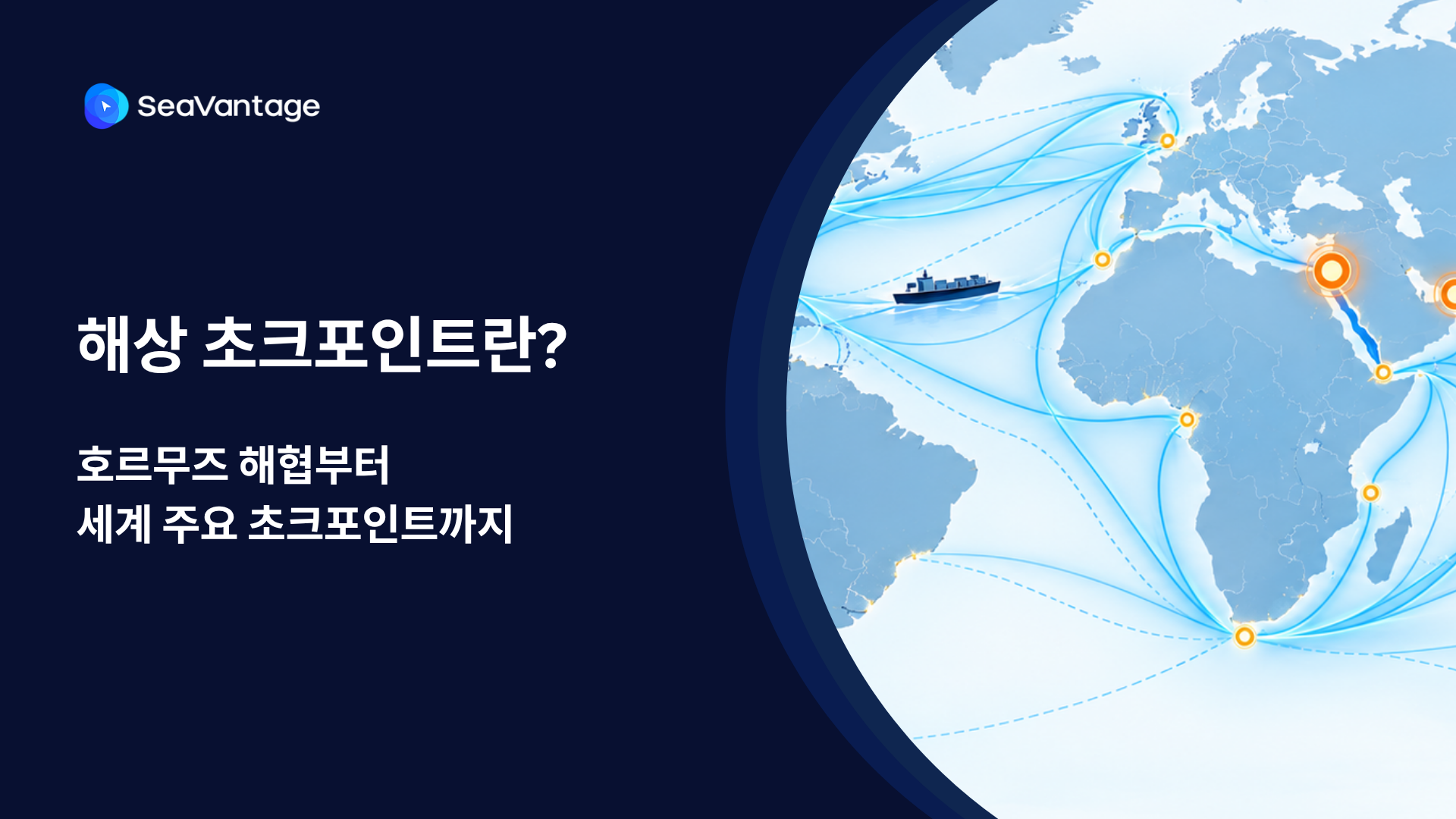

팬스타 아크로호가 지난 8월 22일 북극항로 시범운항을 시작했습니다. 국내 최초 컨테이너선 북극항로 운항 현황과 상업성 검증 항목, 화주·포워더가 주목할 사항을 정리합니다.
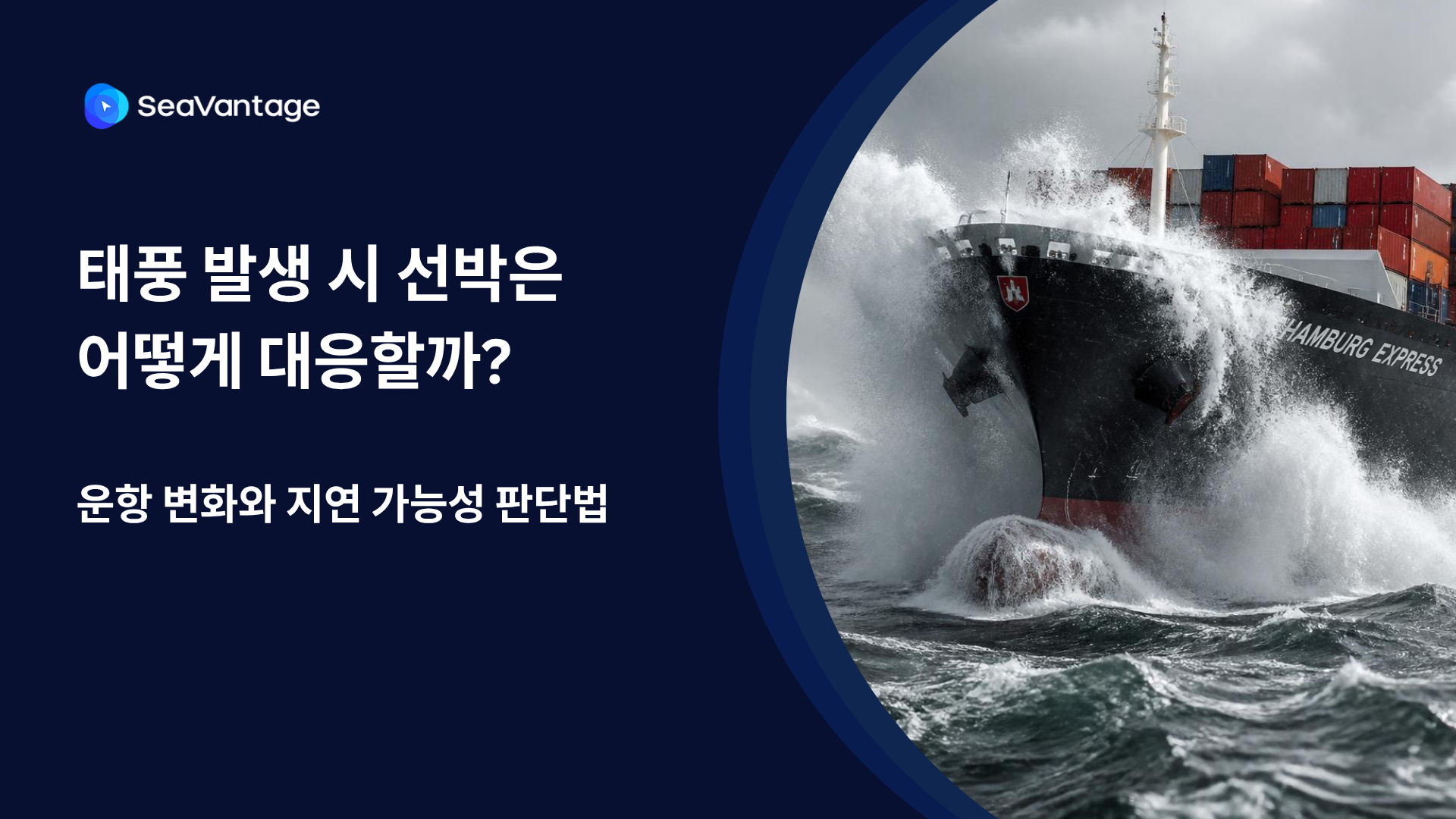
태풍 발생 시 선박은 우회·감속·대기 등 서로 다르게 대응합니다. AIS 항적과 ETA·PTA·PTB, 항만 혼잡 데이터를 활용해 해상운송 지연 가능성을 판단하는 방법을 알아보세요.
Need a SeaRates alternative? See how SeaVantage Cargo Insight supports container tracking, predicted arrivals, shipment milestones, and API access.
TPEB rates 2026, Indian Subcontinent ocean freight capacity, Strait of Hormuz shipping disruption, schedule reliability ocean carriers
What's driving ocean freight peak season 2026 — rates, surcharges, booking windows, and how to avoid missed inventory deadlines.

.png)


