


5 Proven Ways to Reduce Dwell Time with SeaVantage Data

Long dwell time can sound like a minor hiccup in logistics, but it most certainly has the potential to spiral upwards and become a major efficiency killer. Be it idle trucks, delayed shipment, or eating into costly inefficiencies, these can easily cost millions. Powered by actionable insights with real-time data from SeaVantage, cut dwell times and significantly improve bottom-line results. Let's wade through five proven strategies where SeaVantage helps you make dwell time into delivery time.
1. Optimize Scheduling Processes Using Predictive Data
Poor scheduling often leads to idling trucks, congestion of goods, and a general slowdown of activities. Gaining advanced, accurate visibility into shipment schedules allows for better planning and scheduling. Knowing exactly when shipments will arrive helps in managing loading and unloading processes better.
With SeaVantage's real-time tracking and predicted ETAs, logistics managers can better coordinate container pick-up schedules at ports, thus reducing unnecessary waiting times or idle truck time. SeaVantage's shipment dashboard simultaneously shows the latest ETA update from the shipping line, whether it is MSC, MAERSK, CMA CGM, or other carriers, and the predicted ETA based on the current location, speed and historical information of the vessel carrying the containers.
Learn more about SeaVantage PTA
2. Identify Bottlenecks with SeaVantage Insight
One cannot fix what one cannot see. SeaVantage Insight, powered by AI, clearly shows where the most prevalent delays occur, be it at transit ports, ports of loading, or ports of discharge.
By analyzing historical and real-time data, bottlenecks can be identified and key actions can be taken to resolve them. For instance, if it always takes longer to unload cargo than expected, then staffing levels could be adjusted or workflows improved. Using SeaVantage's data-driven approach, bottlenecks become an opportunity for improvement rather than a recurring problem.
3. Improve Communication with Real-Time Updates
Logistics is a team sport, and miscommunication can lead to costly delays. SeaVantage provides real-time alerts and notifications that keep everyone in the loop-from drivers to warehouse managers-regarding schedule changes or unexpected delays.
For example, suppose a shipment is running behind schedule because of bad weather or congestion at a port. In that case, SeaVantage automatically updates and shows the Predicted Time of Arrival (PTA) while also showing ETA from the shipping line. Giving your team real-time information with which to adjust operations on the fly and minimize idle time. That means everyone's on the same page for better communication-which all translates to faster, smoother operations each time.
4. Automate Decision Making Using AI-driven Tools
Automation is undeniably one transformative leap in logistics, and SeaVantage enables the integration of artificial intelligence to enhance decision-making. Capabilities range from analyzing meteorological data, port congestion, or vessel schedules to recommending optimal arrival and departure times for trucks. Manual guessing is reduced, and due to this proactive approach, your operations can be that much more efficient.
5. Training of Teams by Data-Driven Insights
Your team is the heart of your operations, and with the right equipment and knowledge, they work best. At SeaVantage, actionable data is presented in user-friendly dashboards that help your staff make decisions quicker and wiser.

Conclusion
SeaVantage bundles real-time tracking, predictive analytics, and AI-driven tools to provide a competitive edge in optimizing operations, reducing delays, and maximizing efficiency. By taking into account these five strategies into the powerful insights from SeaVantage, you'll achieve more than reduced dwell time and'll have built a better, more transparent, and more fluid logistics process.
Ready to optimize? Try out SeaVantage data now and watch your dwell times lower, while your savings grow.
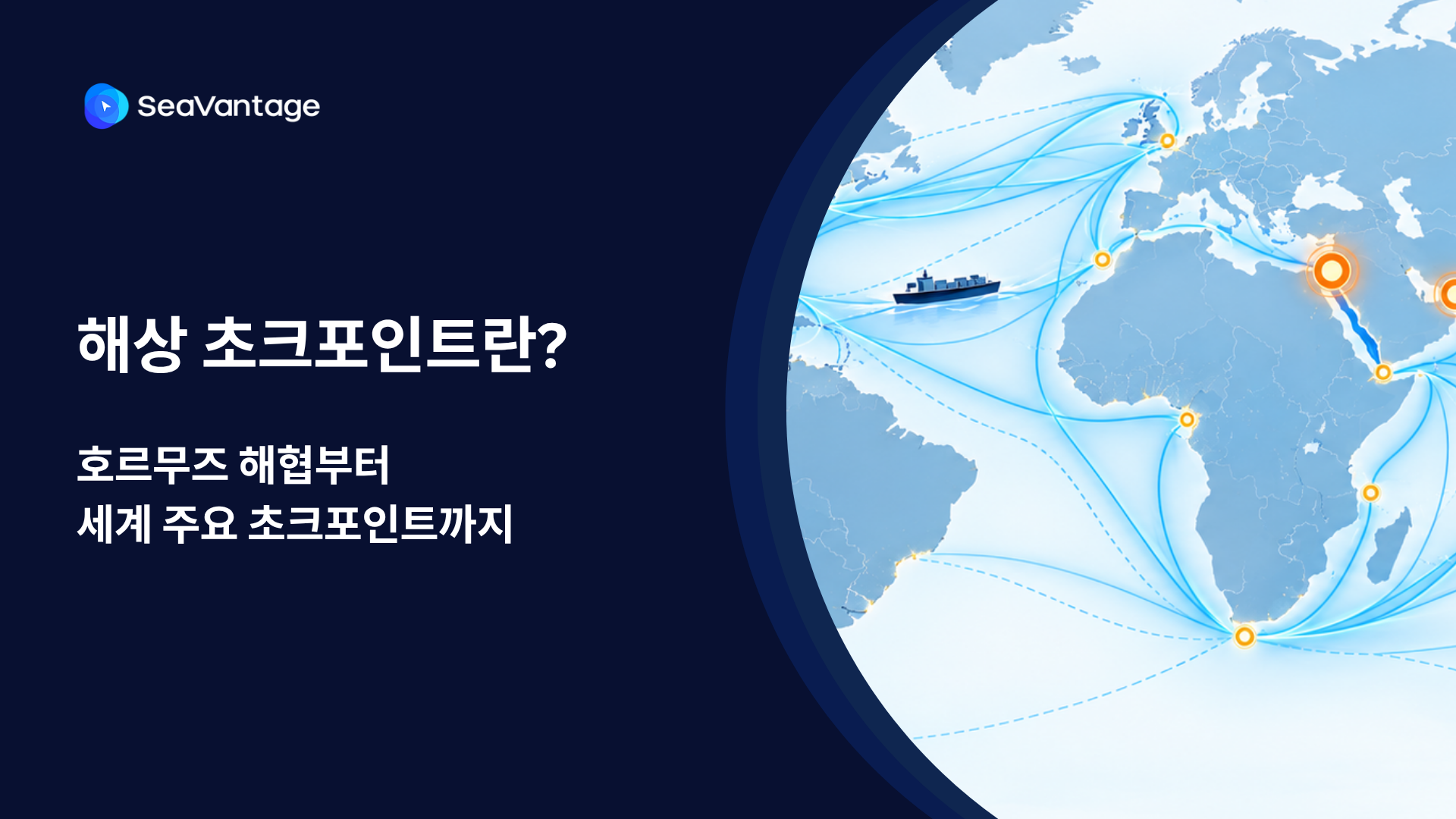

팬스타 아크로호가 지난 8월 22일 북극항로 시범운항을 시작했습니다. 국내 최초 컨테이너선 북극항로 운항 현황과 상업성 검증 항목, 화주·포워더가 주목할 사항을 정리합니다.
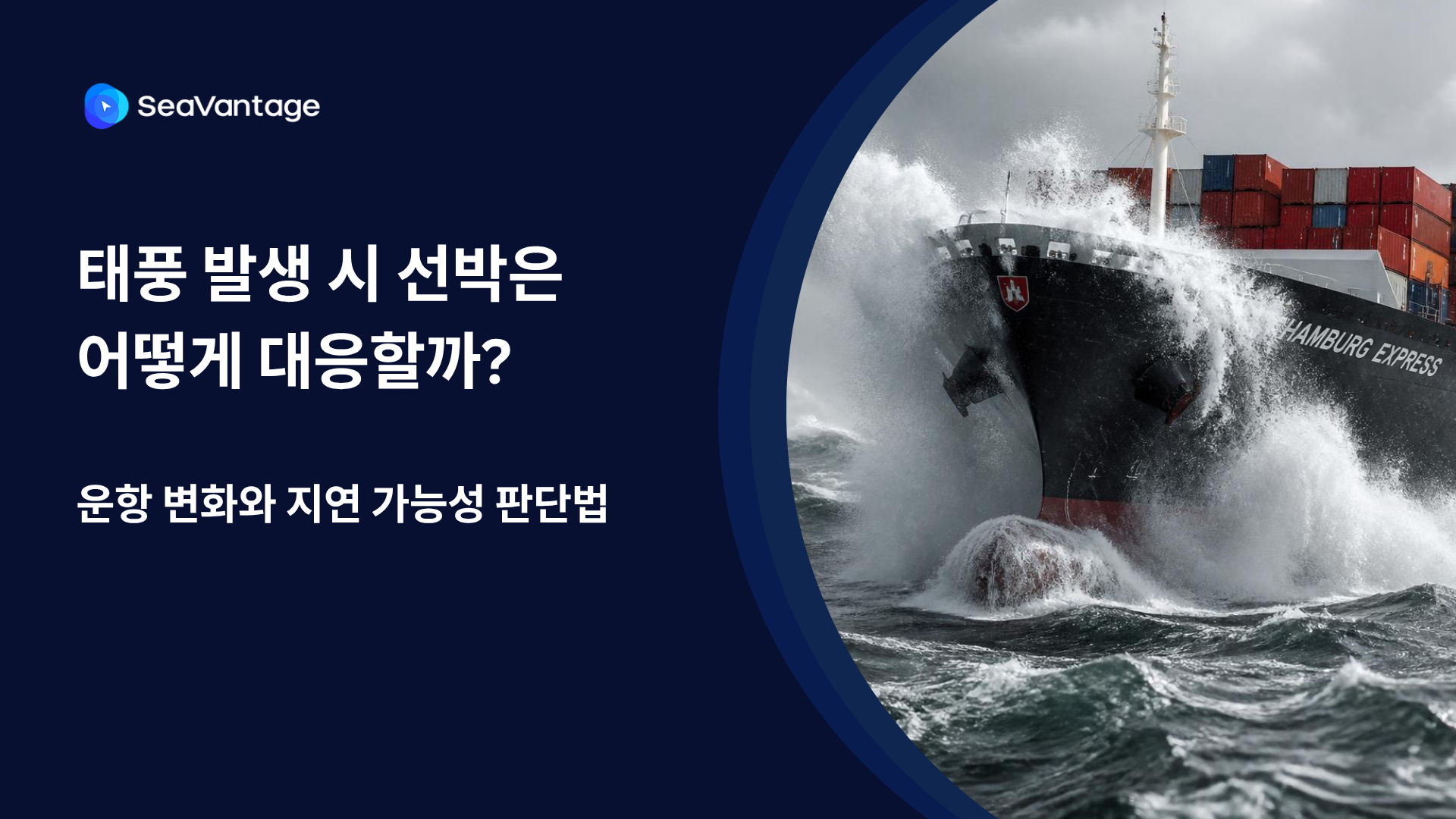
태풍 발생 시 선박은 우회·감속·대기 등 서로 다르게 대응합니다. AIS 항적과 ETA·PTA·PTB, 항만 혼잡 데이터를 활용해 해상운송 지연 가능성을 판단하는 방법을 알아보세요.
Need a SeaRates alternative? See how SeaVantage Cargo Insight supports container tracking, predicted arrivals, shipment milestones, and API access.
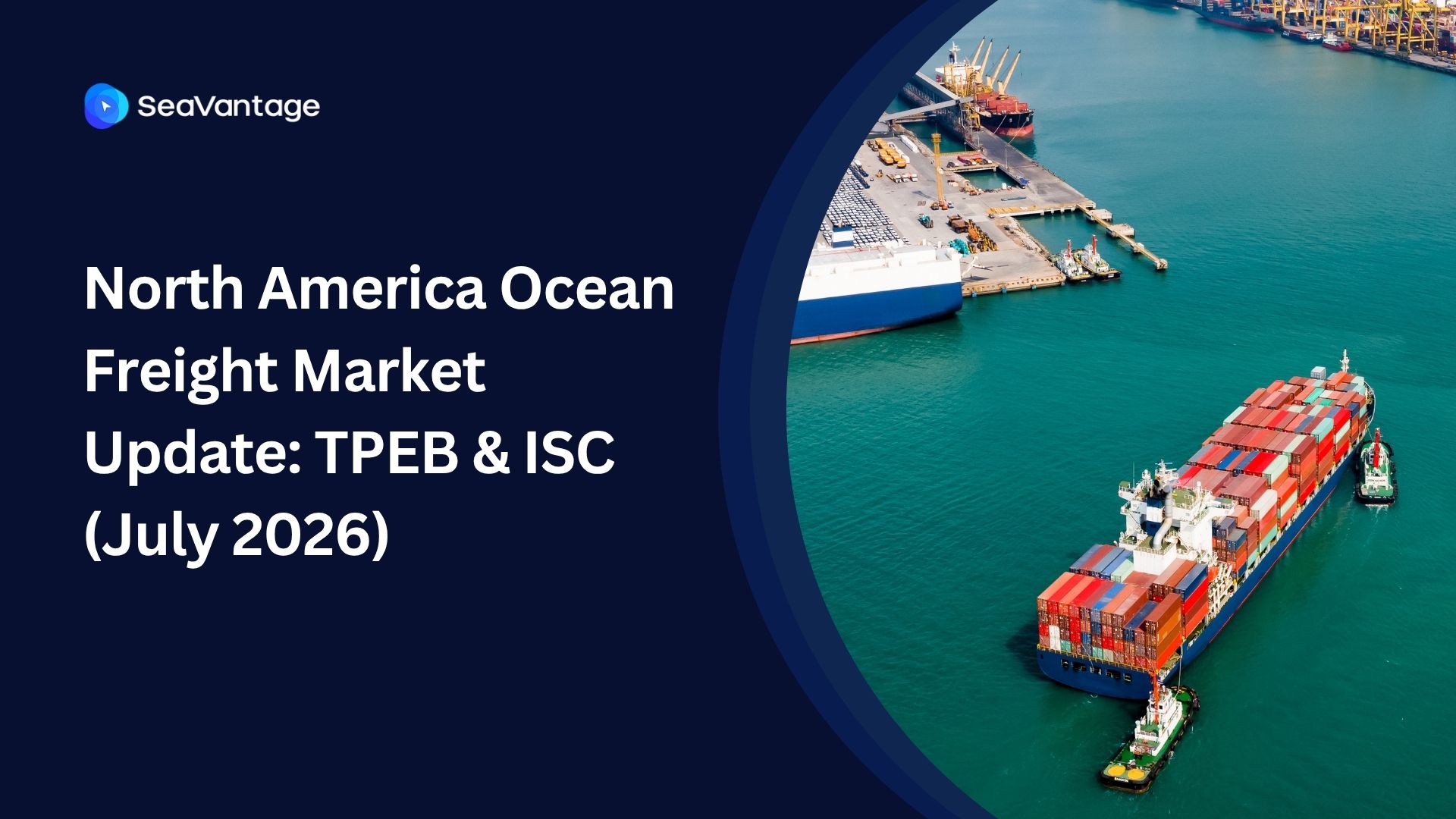
TPEB rates 2026, Indian Subcontinent ocean freight capacity, Strait of Hormuz shipping disruption, schedule reliability ocean carriers
What's driving ocean freight peak season 2026 — rates, surcharges, booking windows, and how to avoid missed inventory deadlines.

.png)


